Cut and Sew Apparel Manufacturers That Build Every Piece From Your Pattern
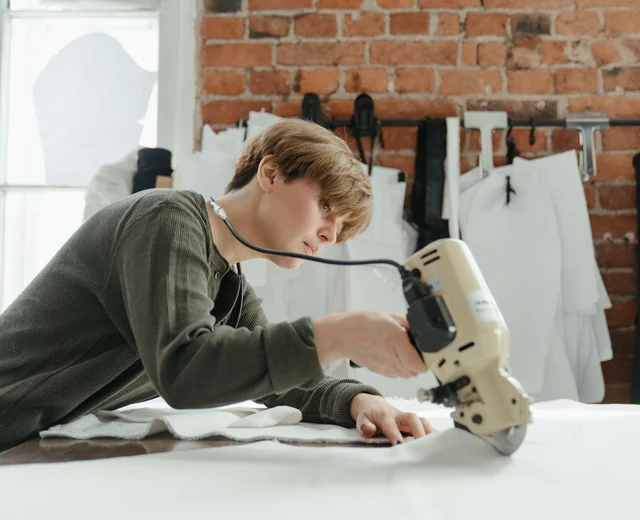
Rifago Industries is a cut-and-sew apparel manufacturer that builds garments from the fabric roll, never from a blank. Streetwear and fashion labels send us a tech pack or a reference piece. Our team turns it into a pattern, cuts each panel, and sews the garment on our own lines. Orders start at 30 pieces per style, and we check every seam against your measurement chart.
Share your tech pack or a garment you like. Within 1 business day, you receive a construction review, fabric suggestions, and a sample quote.
What Cut and Sew Means for Your Brand
Printing on a blank gives you someone else’s fit, fabric, and proportions with your logo on top. Cut and sew apparel manufacturers start with nothing but your design. You choose the pattern, fabric, color, trims, and labels, so the garment is yours from the first stitch. For cut and sew apparel manufacturers, the pattern is the product, and we never share yours with another brand.
This route pays off when your brand needs its own silhouette, a heavier fabric, or details a blank can’t offer. Think contrast panels, Custom rib heights, or a boxy body with a dropped shoulder. A cut and sew manufacturer can build all of these into one repeatable pattern.
The Cut and Sew Process Step by Step
Each stage below has one clear output and one point where you approve before we move on. Cut and sew apparel manufacturers that show you every step make it easier to plan a launch and catch problems early. You see the same five stages whether you order 30 pieces or 3,000.
Tech Pack and Bill of Materials Review
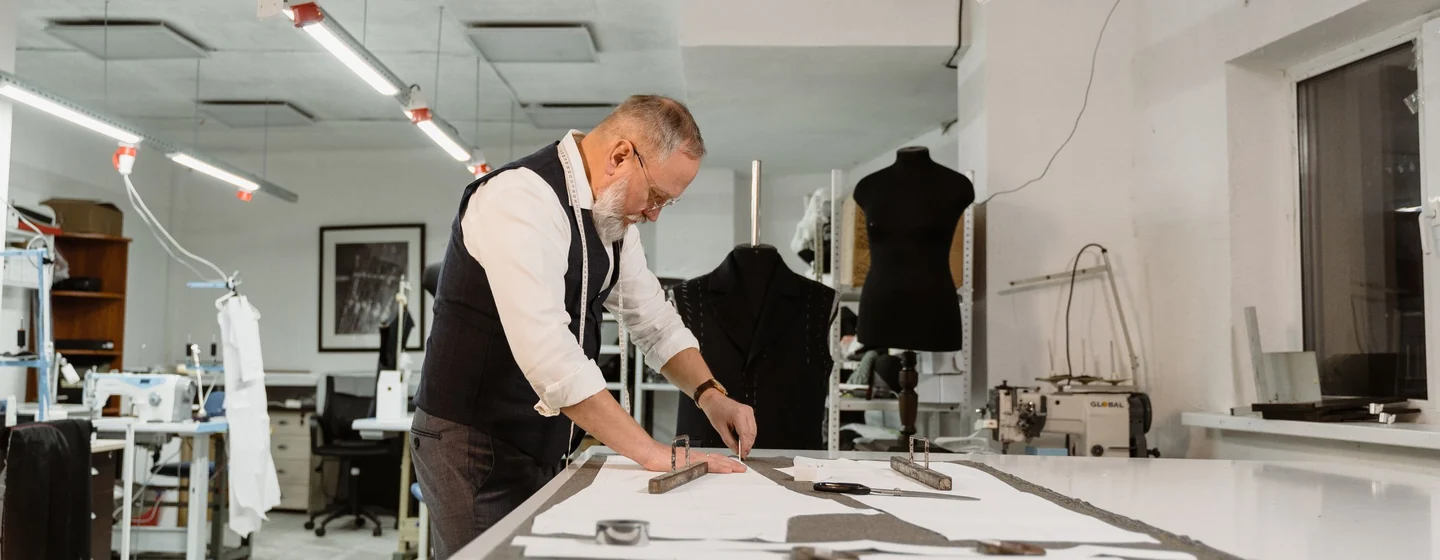
Production begins with your tech pack. We check the measurement chart, fabric choice, trims, and stitch notes, then list anything missing or unclear. You answer those questions before a single panel is cut.
Next comes the bill of materials: every fabric, thread, zipper, drawcord, label, and bag your garment needs. You confirm it, and that list drives fabric booking and costing.
Pattern Making and Size Grading
Our pattern maker drafts the first pattern to your spec, piece by piece: body, sleeves, collar or hood, pockets, and facings. A Custom cut-and-sew manufacturer should flag any area likely to shift after washing or printing, and we mark those on the pattern.
Grading then scales the pattern across your size run. Each measurement point follows its own rule, so the proportions stay consistent from XS to XXL. You approve the graded chart together with the sample.
Marker Planning and Fabric Cutting
A marker lays out all pattern pieces on the fabric. Good marker planning cuts waste, which keeps your unit cost down. We align stripes, checks, and placed prints at this stage so they match across seams. Our cutters use the marker as a fixed guide, so every layer in the lay is cut to the same shape.
Panels for one order come from a single fabric lot. We number and bundle them by garment before sewing, so you don’t receive a jacket with one sleeve a shade lighter than the body.
Sewing, Stitch Types and Seam Finishes
Different seams need different stitches. The table shows what our sewing lines use and why, so you can specify the right finish in your tech pack.
4-thread overlock
Side seams, sleeve joins
Strong seam that stretches with knits
Coverstitch
Hems and cuffs
Flat inside, clean double line outside
Flatlock
Decorative panel seams
Flat, visible seam with no ridge
Double-needle
Shoulders, armholes
Extra strength where weight hangs
Bartack
Pocket corners, belt loops
Locks stress points in place
We tape back neck seams for comfort and to prevent stretching. Our sewing supervisors check stitch density and seam allowance on the first pieces of every bundle.
Pressing, Trimming and Final Finishing
We trim loose threads and press each garment into shape. Finishers then measure key points against the approved sample before the piece moves to labeling.
Finishing is where cut and sew apparel manufacturers either protect upstream work or waste it. A crooked press line or a missed thread can make a well-sewn garment look cheap on the hanger. Our finishers work from your approved sample, so every piece leaves the table looking the way you signed off.
Garments We Cut and Sew
Our lines cover streetwear-category garments and team wear. Each type below links to its own page with fabrics, styles, and details. With this range, a cut-and-sew manufacturer lets you build a whole collection with one factory.
T-Shirts and Long Sleeves
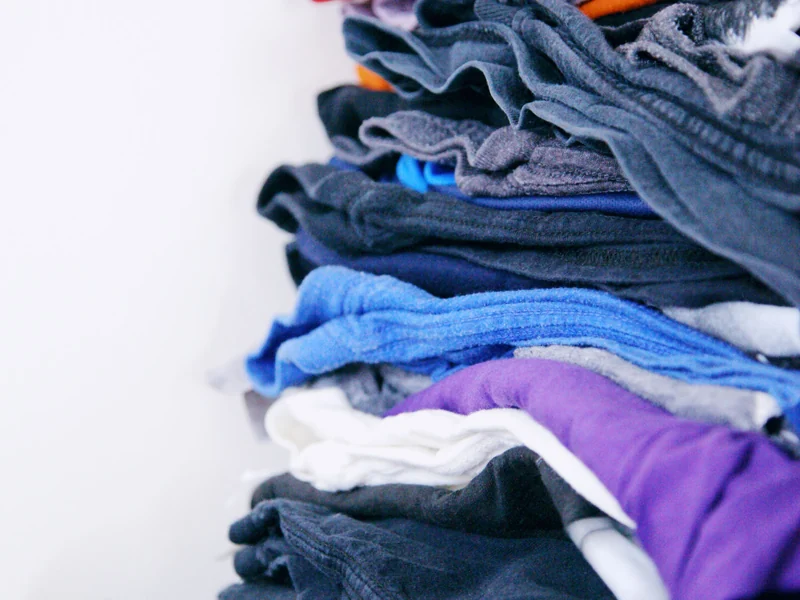
Tees are cut in light to heavy cotton jersey, with crew, mock, or wide necks and set-in or dropped shoulders. Hems can be straight or split at the sides. Details are on our t-shirt manufacturing company page.
Hoodies, Sweatshirts and Sweatsuits
French terry up to 470 GSM and brushed fleece up to 450 GSM, with matching sets cut from one lot. Choose kangaroo or side-seam pockets, a single- or double-lined hood, and your preferred rib height. See our Custom hoodie manufacturers page.
Tracksuits
Track jackets and pants with panel blocking, piping, and contrast zips. We cut each panel separately, so color blocks line up across the jacket and pants. Our Custom tracksuit manufacturer page shows the options.
Varsity and Bomber Jackets
Wool-blend or satin bodies, leather or PU sleeves, quilted linings and rib trims. We add chenille patches and back embroidery before closing the body. Read more on our Custom bomber jackets page.
Team Uniforms
Jerseys and warm-up sets with names and numbers for clubs and teams. We track every player’s size and number on one roster sheet, as shown on our sportswear manufacturer page.
Fabrics and Weights on Our Cutting Tables
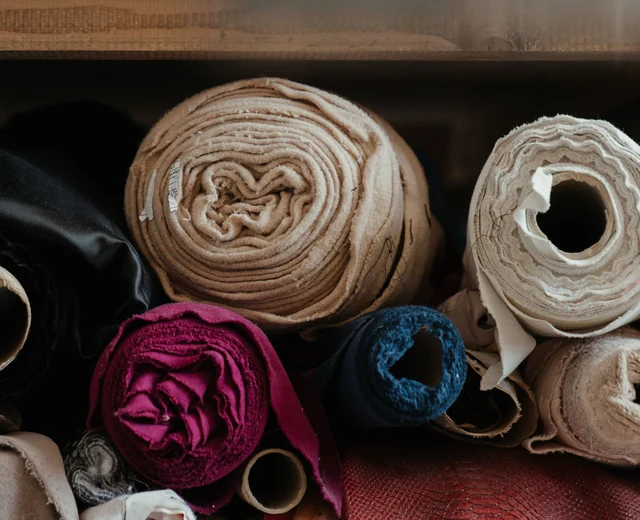
The right fabric depends on the garment, season, and finish you want. Our apparel production services include booking fabric for your order after you approve the sample. The table lists the weights we work with most. Cut and sew apparel manufacturers that work across all these weights can keep your whole range consistent in feel.
Cotton jersey
160–240 GSM
T-shirts, long sleeves
French terry
280–470 GSM
Hoodies, sweatshirts, sweatsuits
Brushed fleece
280–450 GSM
Warm hoodies, crewnecks
Polyester tricot, nylon
Light to midweight
Tracksuits, track jackets
Satin, nylon twill, wool blends
Jacket weights
Varsity and bomber jackets
We match colors to your Pantone references with lab dips before bulk dyeing. We shrinkage-test every fabric lot before cutting, so the finished garment keeps the measurements you approved.
Private Label Finishing Added in Production
Branding goes into the garment on the sewing line, not as an afterthought. Cut and sew apparel manufacturers that handle labels in-house save you a second supplier and a second shipment. Our private label clothing manufacturer page covers branding in full.
Neck Labels, Care Labels and Size Tags
We attach woven or printed neck labels during assembly. We insert care and size labels into the side seam, and hem flags add a small mark on the outside.
Your sample shows the exact placement of every label. Changes are easy at this point and costly after bulk, so please check them closely. A label that sits 1 cm too low is simple to move on a sample.
Hang Tags and Retail-Ready Packing
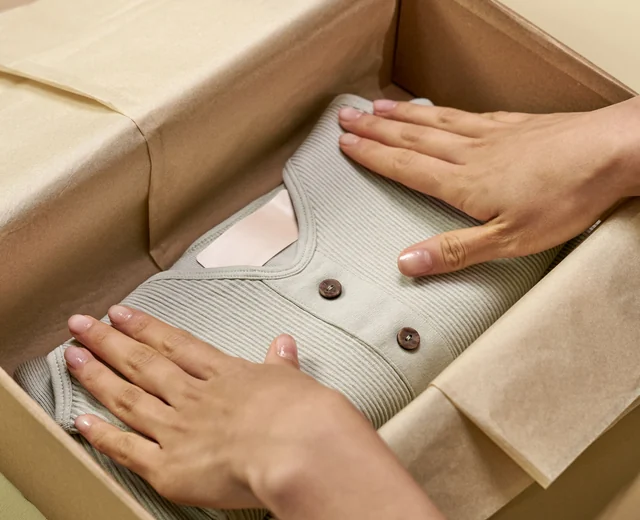
Hang tags carry your artwork and barcodes, printed on the card stock you choose. We fold each garment to your spec, polybag it, and pack it by size and color. Size stickers on each bag make counting stock quick.
We mark cartons with your PO number and contents, so your warehouse can book stock in without sorting first. Because cut and sew apparel manufacturers like us pack on the same floor, no third party repacks anything.
Low MOQ Cut and Sew From 30 Pieces per Style
Many cut and sew apparel manufacturers won’t open a new pattern for fewer than a few hundred pieces. Our line opens at 30 pieces per style or design. A first drop stays affordable, and the risk of unsold stock decreases. Our low MOQ clothing manufacturer page explains small runs in more detail.
Why 30 Pieces Works for a First Drop
Thirty pieces are enough to cover a full size run and see how a style sells. You keep cash free for marketing instead of tying it up in boxes of stock. Among cut and sew apparel manufacturers, a 30-piece start is still rare.
The minimum applies per style, not per size. Two colorways on one fabric base can usually share those 30 pieces, and we confirm the split before cutting.
Scaling From Samples to Bulk Reorders
We keep your approved pattern, sample, and specs on file. A Custom cut and sew manufacturer should make reorders simple, and ours needs no new sample unless you change the design.
When demand grows, you can raise quantities, add colors, or extend the size range. Unit cost drops as volume rises, and the garment stays the same.
Want proof before you commit? Ask for a sample cut and sewn to your tech pack in your chosen fabric.
Sampling, Lead Times and Quality Control
Because cutting and sewing never leave our building, we keep the schedule in our hands. As cut and sew apparel manufacturers, we commit to a sample in 10–12 business days and to bulk in 14–16 business days after you approve it.
Sample Production in 10–12 Business Days
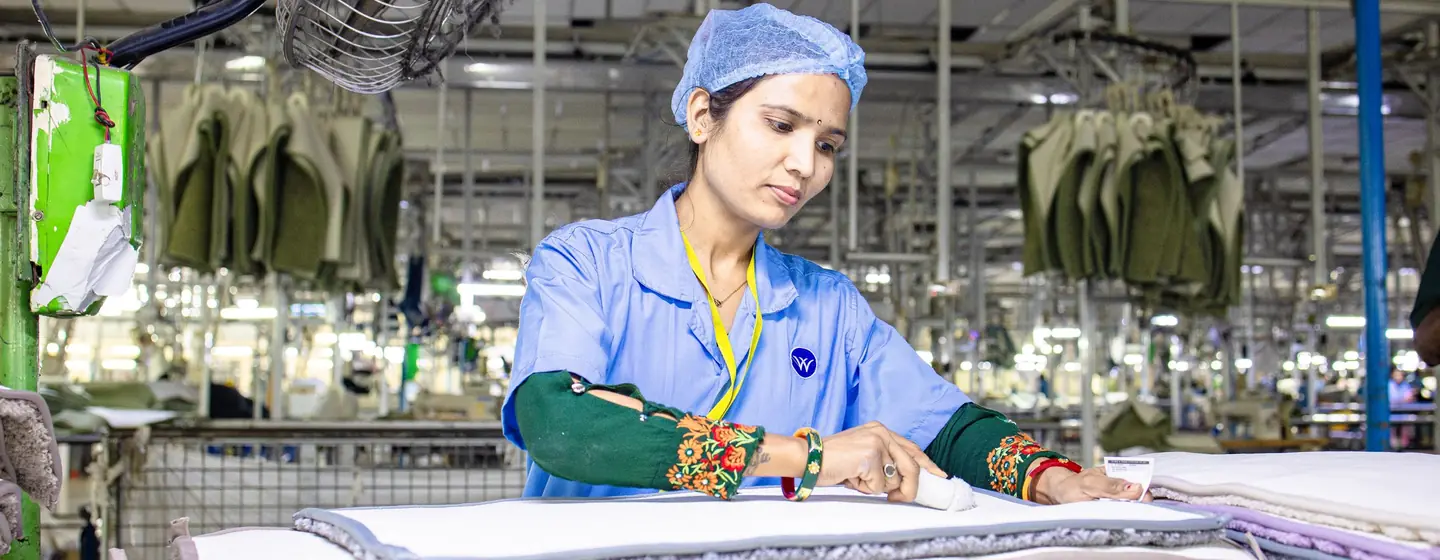
The sample is sewn in your real fabric and trims on the same lines that will make your order. It comes with a measurement sheet listing every point on your chart next to the actual figure. Cut and sew apparel manufacturers that sample on their bulk lines give you a sample that predicts the order.
We put your fit comments straight into the pattern, and we confirm the final spec in writing. Once you approve, that sample becomes the reference for every piece in bulk. If you need a second round, we’ll tell you the new date before we start.
Bulk Production in 14–16 Business Days
Bulk begins after sample approval and fabric booking. Cutting, sewing, finishing, and packing all happen under one roof, so no step waits on an outside workshop. Cut and sew apparel manufacturers that subcontract sewing lose days moving bundles between sites, and we avoid that entirely.
Our production team sends updates at cutting, sewing, and packing. We raise any risk to the ship date early, along with a plan to fix it.
AQL 2.5 Inspection and Measurement Tolerances
Checkers inspect bundles on the line, and a final inspection follows under AQL 2.5, the sampling standard in ISO 2859-1. Key points must sit within ±1–1.5 cm of your chart.
Inspectors also review seams, prints, labels, and packing. You receive the inspection report before shipping, and we correct anything outside tolerance before it leaves. Faulty pieces stay with us, not with your customers.
How to Prepare a Tech Pack for Cut and Sew
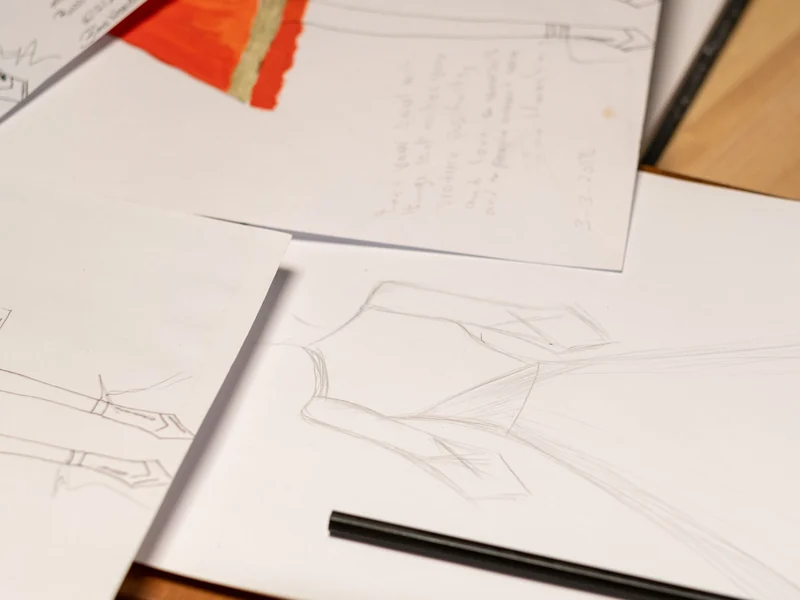
A clear tech pack shortens sampling and reduces back-and-forth. A Custom cut-and-sew manufacturer works fastest when yours includes the items below:
- Front and back flat sketches with key details called out.
- A measurement chart with tolerances for each size.
- Fabric type, weight (GSM), and color references.
- A trims list and bill of materials.
- Stitch and seam notes for each area.
- Label, hang tag, and packaging placement.
No tech pack yet? A reference garment and a few photos are enough for our first review. Our apparel production services include turning that review into a working spec with you. Good cut and sew apparel manufacturers treat the tech pack as a shared document, and we update it after every sample round.
Cut and Sew Apparel Manufacturers FAQ
Cut and sew means cutting a garment from fabric using your own pattern and then sewing it together, instead of printing on a ready-made blank. You control the fit, fabric, color, and trims. The result is a product no other brand sells.
It depends on your goal. Blanks are quick for logo-based merch. Cut and sew suits brands that want their own fit and fabric. It is also how many streetwear labels build a signature product that customers recognize.
A tech pack helps, but it is not required for the first conversation. Send a reference garment or photos, and we help you build the spec. Many cut and sew apparel manufacturers ask for a full pack upfront, but we start with what you have.
You can start with 30 pieces per style or design across your sizes. Two colorways on the same fabric base can usually share that number, which makes a first test run realistic.
We grade the pattern point by point and cut every panel from one fabric lot. Checkers measure garments during sewing and again at final inspection, within ±1–1.5 cm of your chart. You receive those figures in the inspection report.
Allow 10–12 business days for your sample once the spec is agreed. Bulk follows 14–16 business days after you sign off the sample, and both dates appear on your order confirmation.
Yes. A cut and sew manufacturer can sew in your neck and care labels, attach hang tags, and pack to your spec on the same line. For full collections, see our Custom streetwear manufacturer page.
For faster response and real-time collaboration, we recommend contacting us via WhatsApp.
If you prefer email communication, feel free to submit the contact form below.
Contact Us
Nawan Pind Arainya, Sialkot, Pakistan
Message Us
Start Your Cut and Sew Sample
Your garment can go from tech pack to carton without changing hands once. Work with cut and sew apparel manufacturers that put their numbers on the page: 30 pieces per style, a sample in 10–12 business days, and bulk in 14–16 business days.
Your pattern, your fabric, your label. Request a cut-and-sew sample quote today to see pricing and dates before you pay anything.